Hand / Transmission

Inherited Hand

Classification
Wearable and iPhone app
Ref.
RC-17
Date
2026 · Design stage

An iPhone app and EMS sleeve that teach hand skills, starting with the traditional crafts that are being lost.

Record

A master’s recorded motion becomes a lesson. The phone camera watches the learner’s hand, and the sleeve guides the muscles until the learner can do the movement alone.

It is meant for any skill that lives in the hands and is hard to pass on through video: opera hand forms, martial arts hand forms, abacus technique, calligraphy strokes, knot tying, dumpling pleating. Cantonese opera hand forms are the first skill to be built.
Status

“No hardware has been built and nobody has been stimulated. Everything here was produced in simulation or on paper.”

The simulations say the software is sound. They do not say the method works.

Procedure

  1. Each skill is recorded from a master as short steps, kept with the master’s name, place and story.
  2. A calibration fits a model, for that session, of how this person’s hand responds at each site.
  3. Stimulation moves the hand toward the target.
  4. The camera reading is compared with the target and the stimulation is adjusted.
  5. The pacing first demonstrates, then corrects, then only warns.
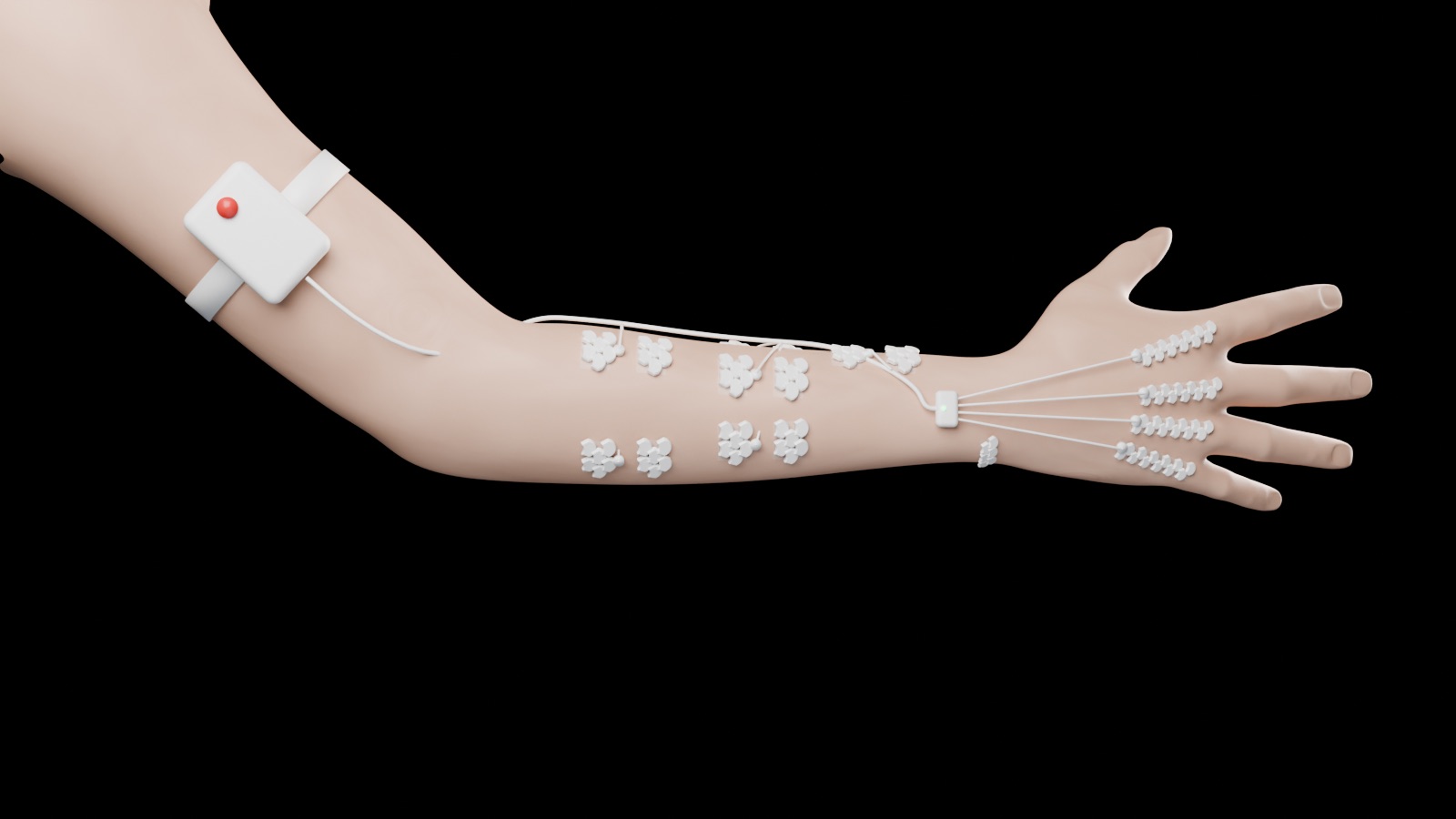
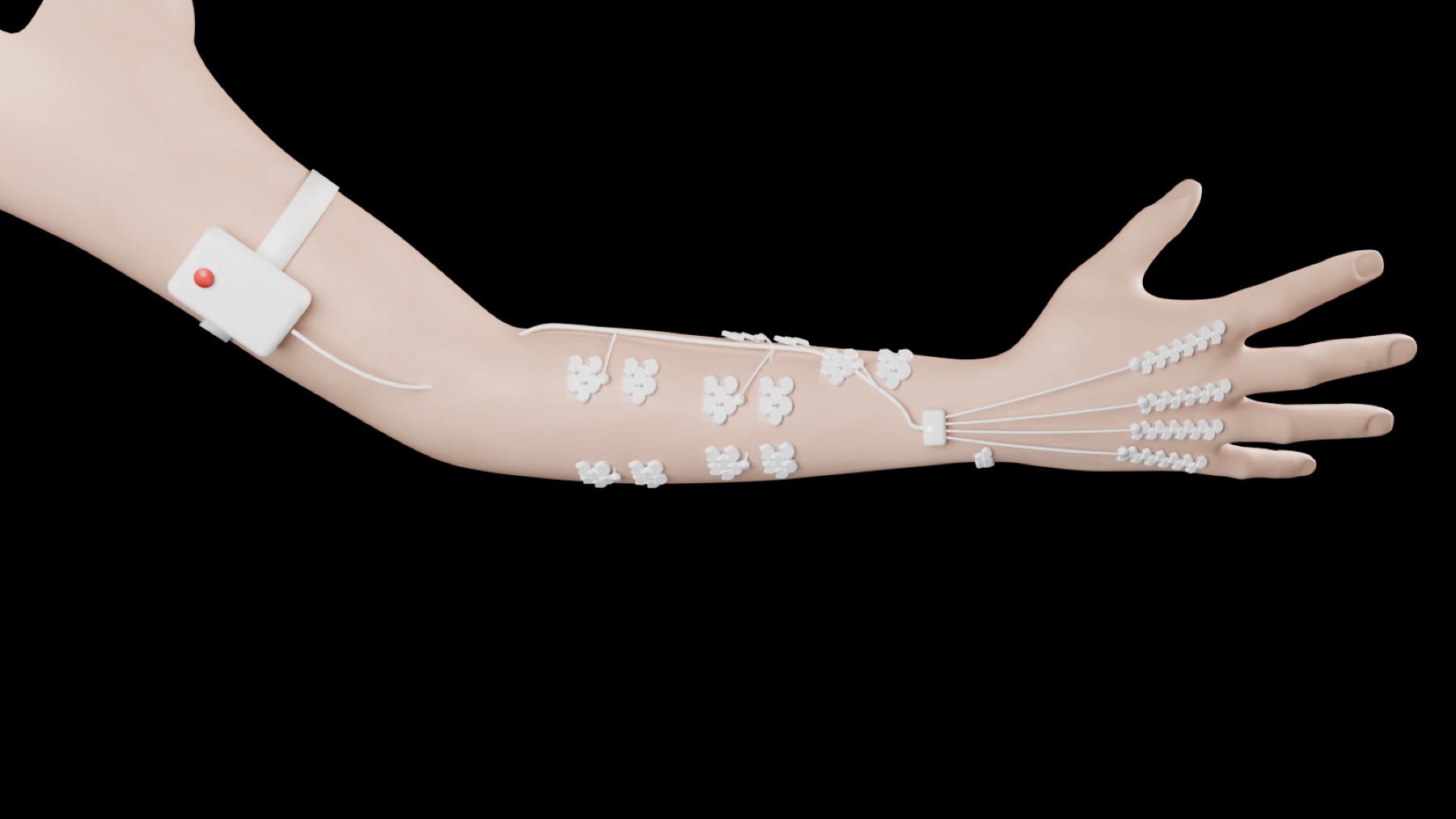
Render of a forearm wearing small white patches and thin leads
Fig. 1 The sleeve as worn: white scales on the forearm and hand, leads, and a box on the upper arm. Design render, not a photograph. Ryan Chen, 2026.
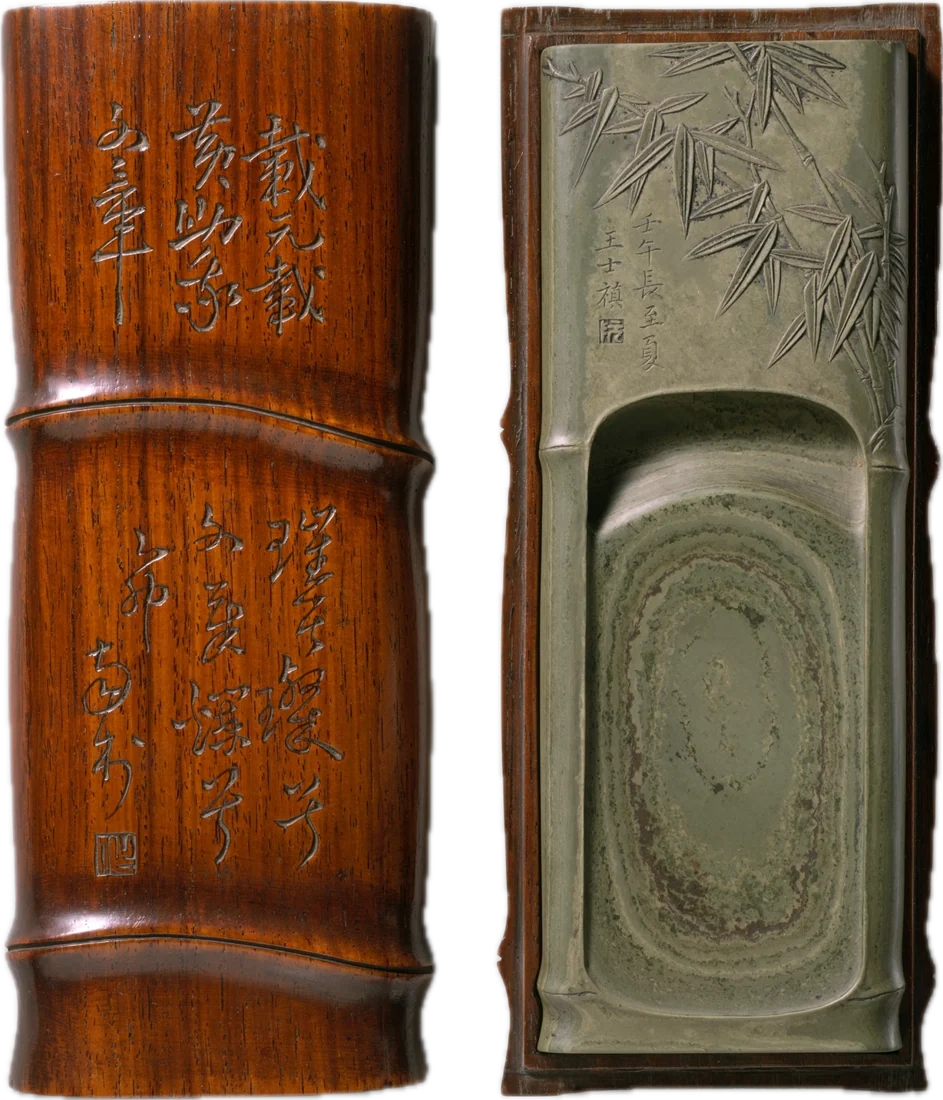
An inkstone in a bamboo-shaped wooden case
Fig. 2 Inkstone with bamboo design and wood case, China, late 18th century. A collection object. The Metropolitan Museum of Art, 1981.120.1a–c. Public domain.
A gilt ink stick with a landscape in relief
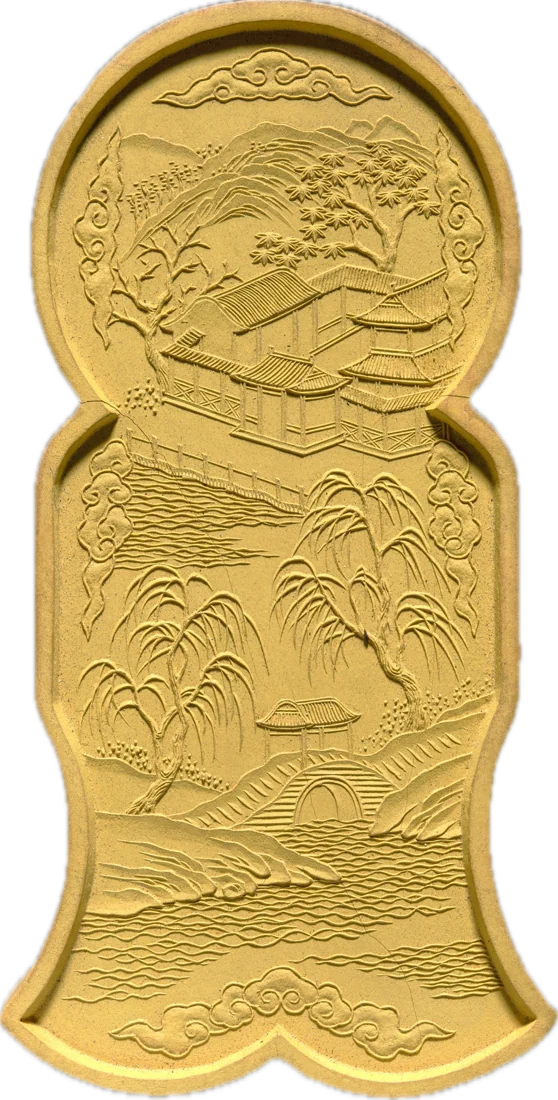
Fig. 3 Gilt ink stick from an imperial West Lake set, China, 1780–94. A collection object. The Cleveland Museum of Art, 1942.215.6. CC0.
A carved bamboo brush holder
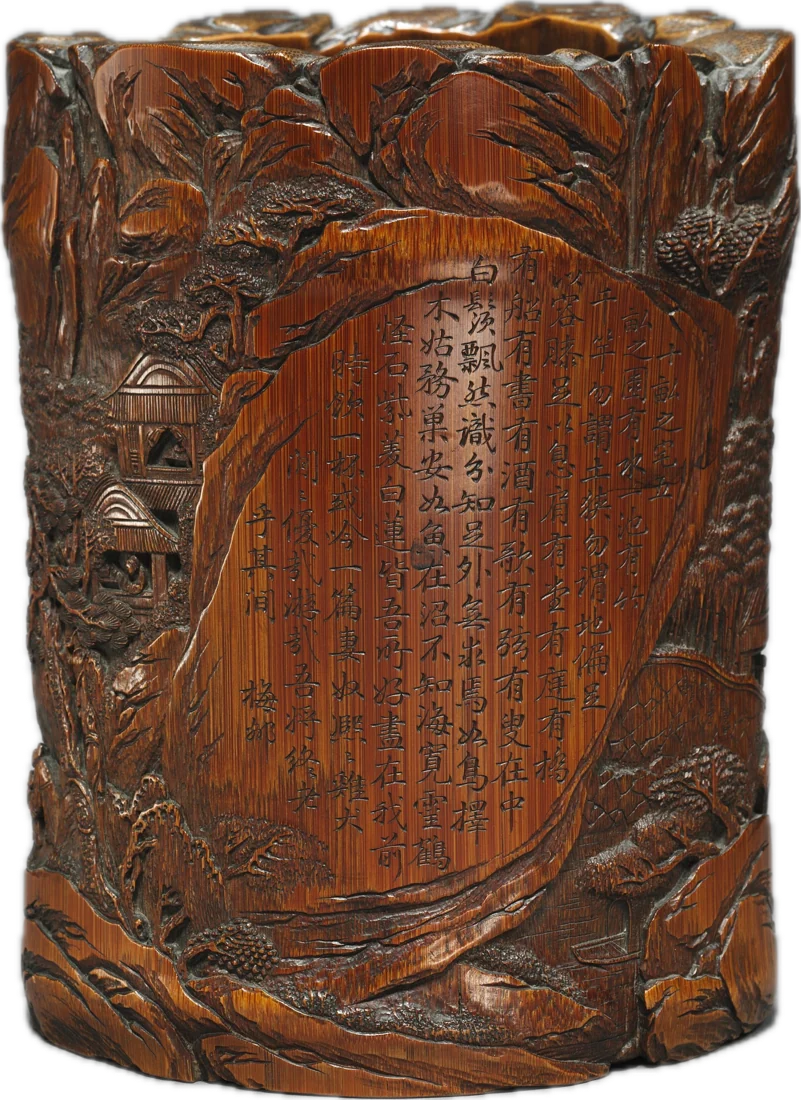
Fig. 4 Carved bamboo brush holder, China, 1800s. A collection object. The Cleveland Museum of Art, 1988.75. CC0.
The carved face of a seal, red with paste
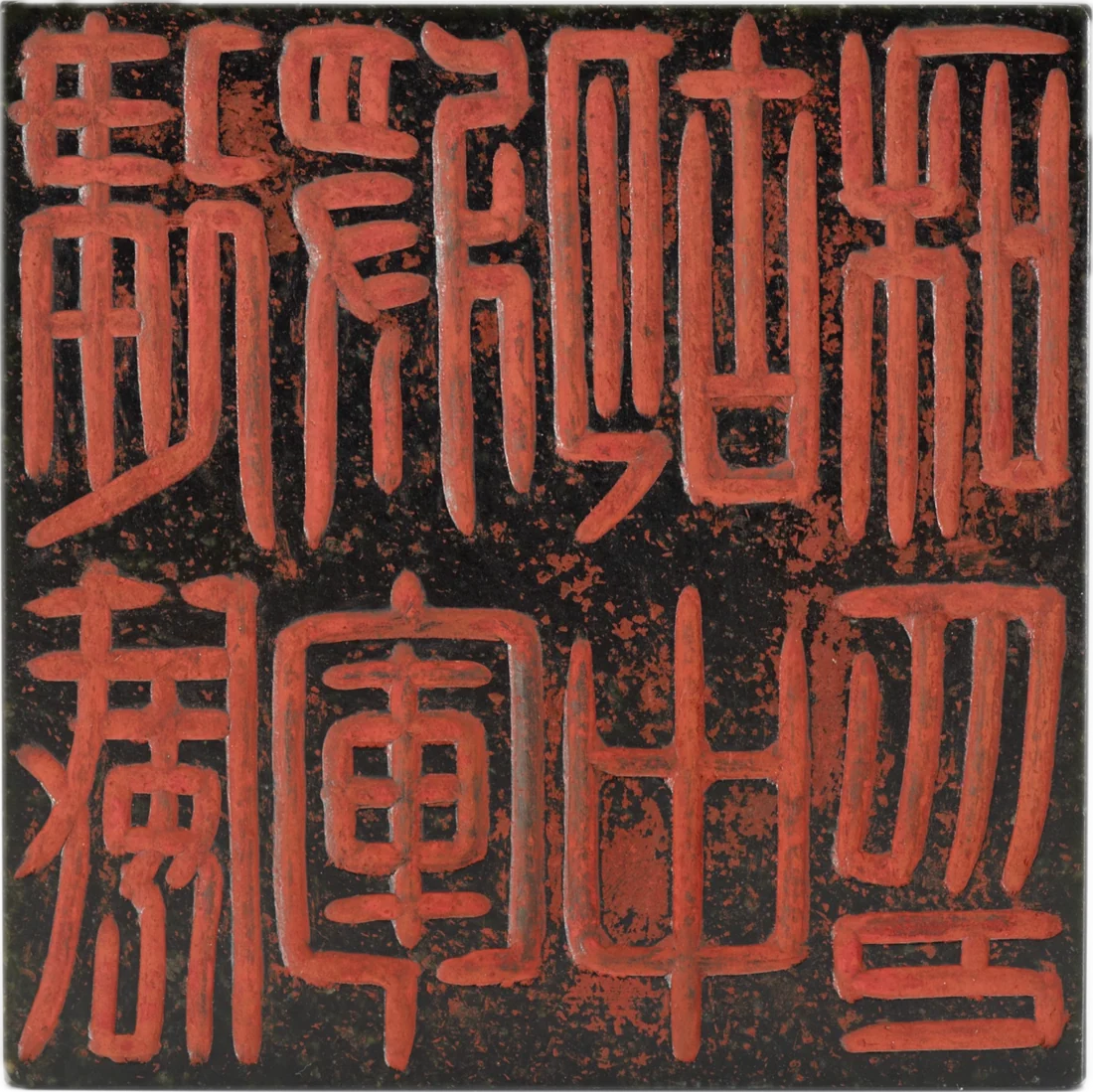
Fig. 5 Seal, carved face with red paste, China, 1851–61. A collection object. Freer Gallery of Art, F1917.64. CC0.
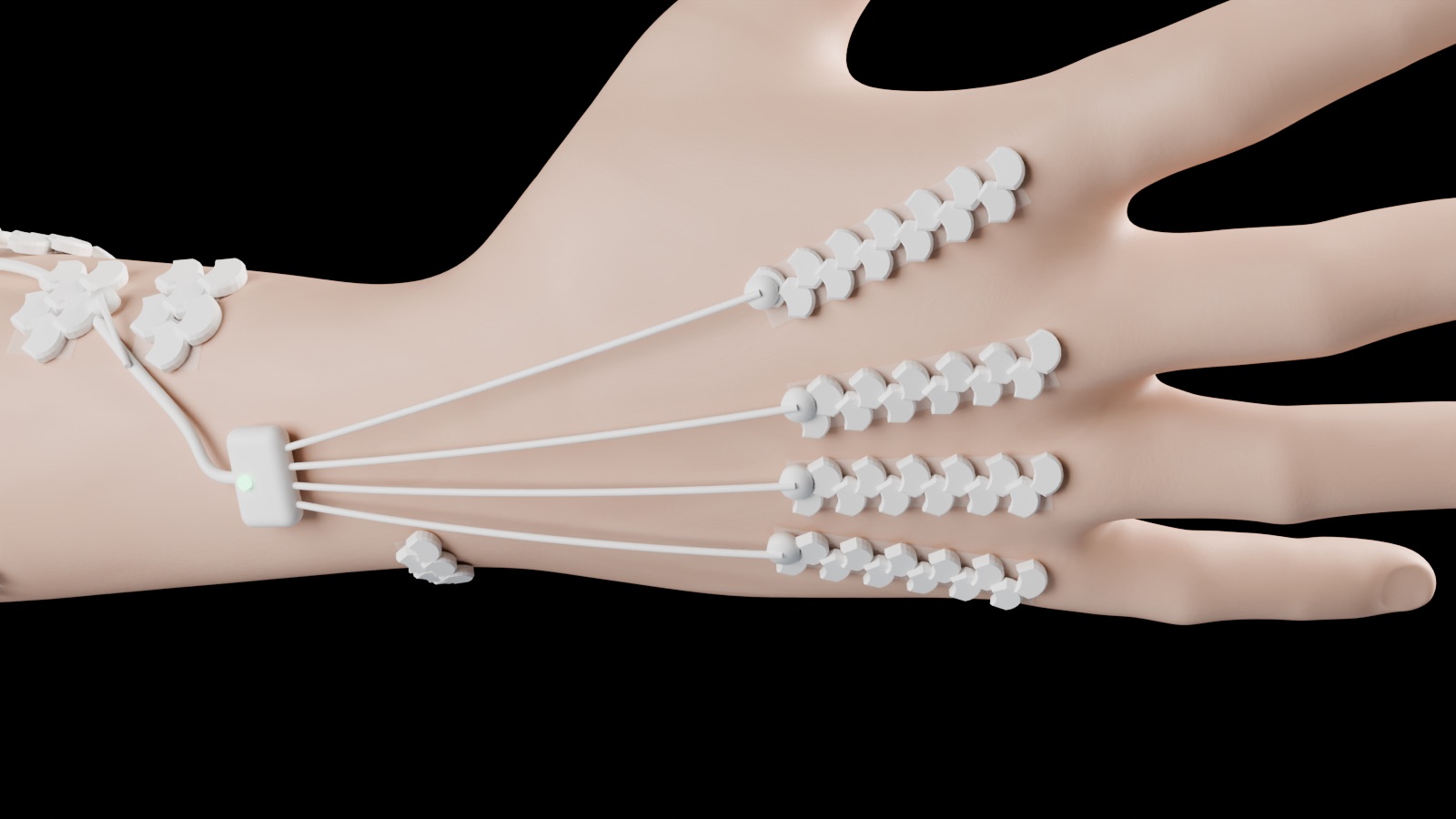
Render of the back of a hand with lines of small white scales
Fig. 6 Back of the hand, four lines of scales. Design render.
Render of the arm seen from above
Fig. 7 The same arm from directly above. Design render.
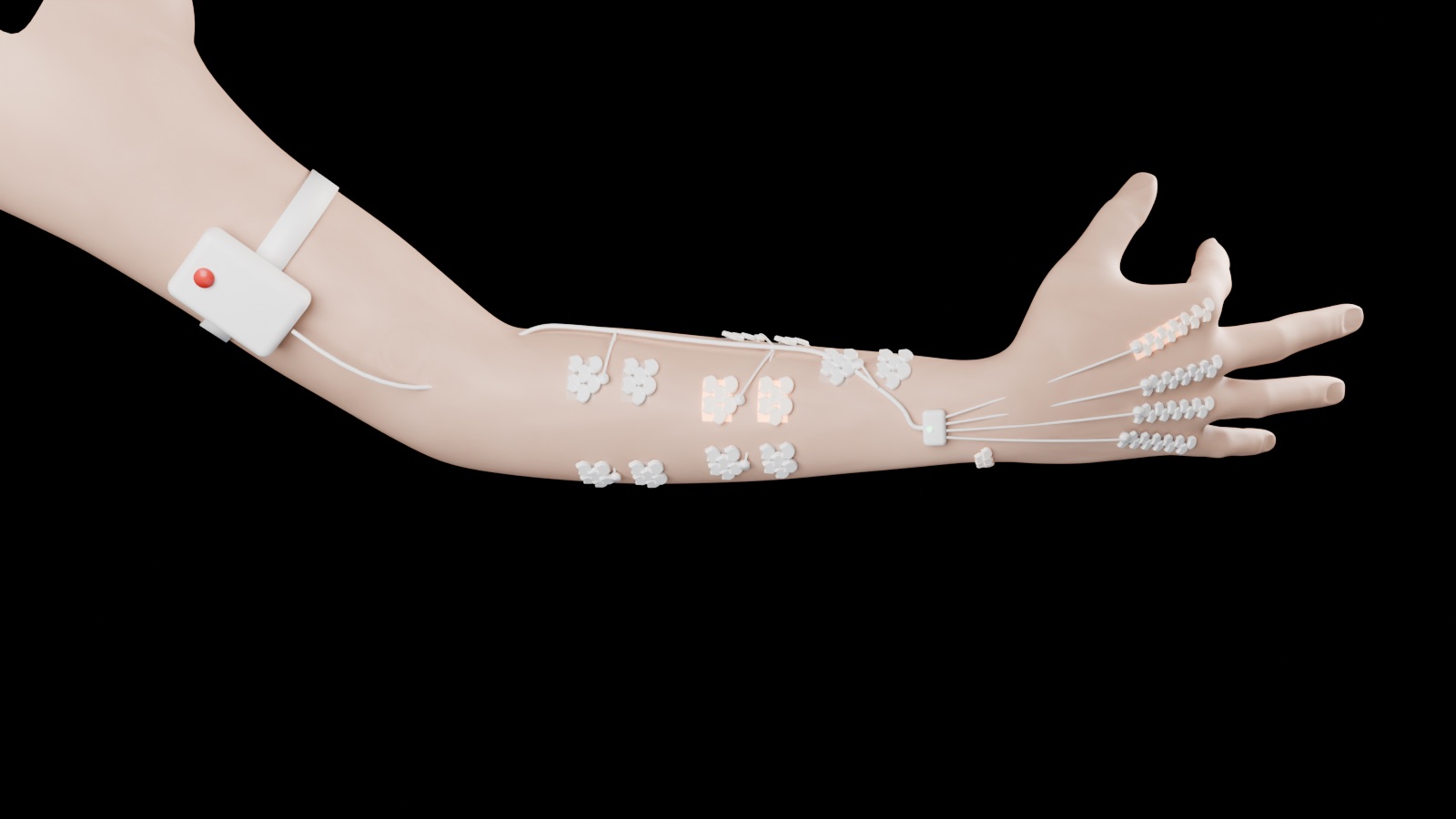
Render with two patches lit
Fig. 8 Two patches lit, wrist and index finger moved. Design render.
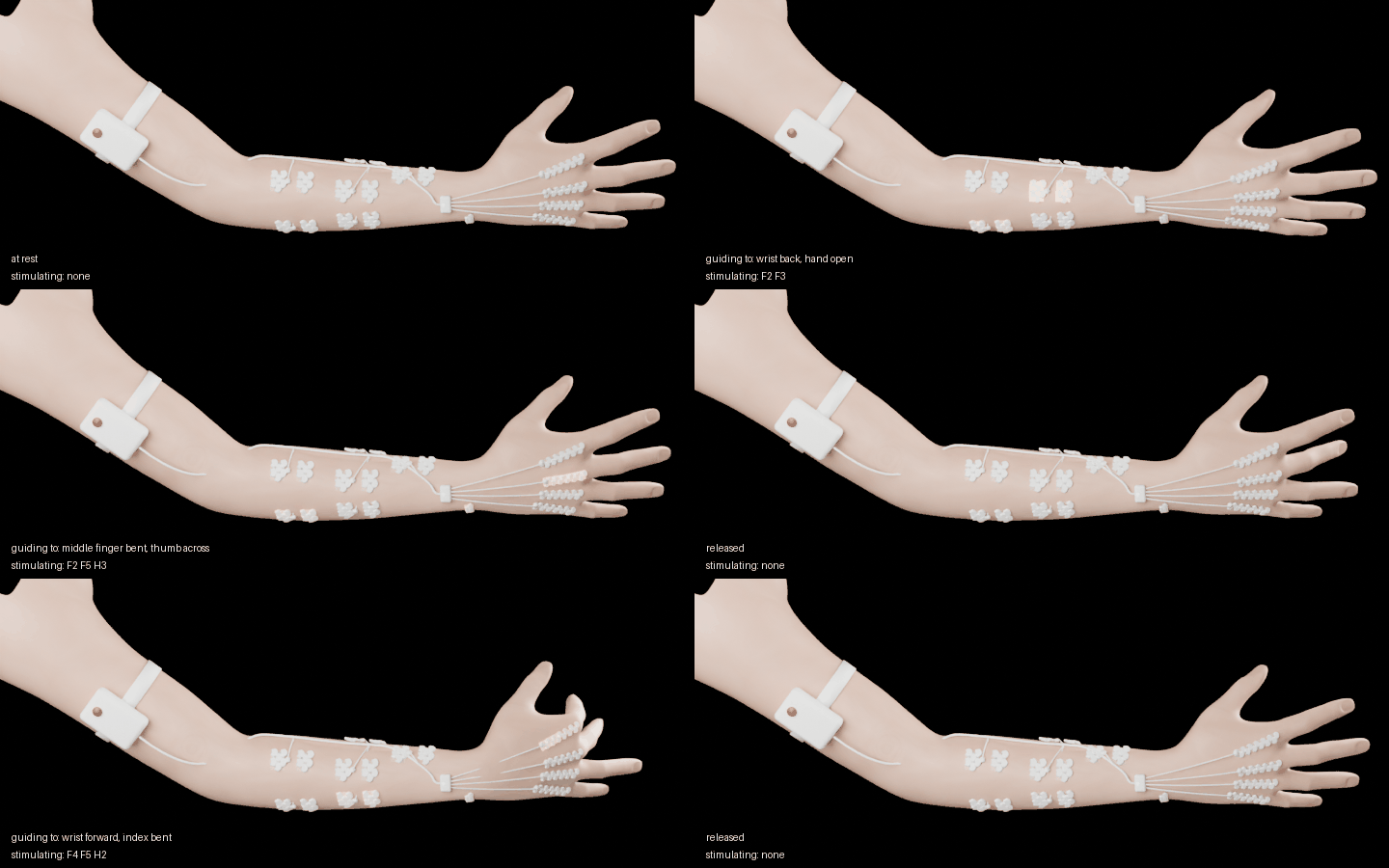
Animation of patches lighting as the hand moves
Fig. 9 Patches light and the hand moves to three placeholder poses. Simulation.
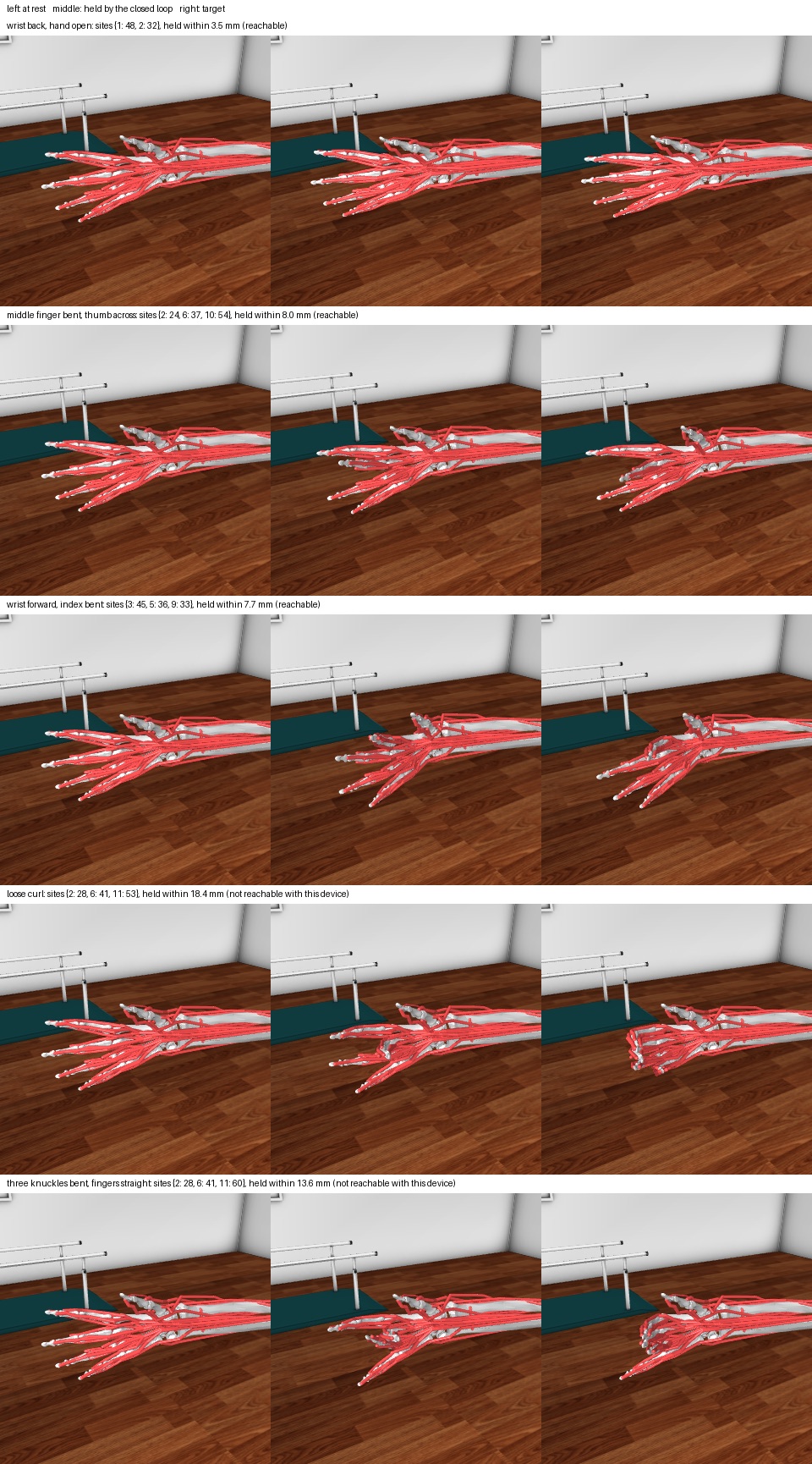
Diagram of a simulated hand in several poses
Fig. 10 Simulated hand at rest, guided, at target, and in five poses. Simulation.